


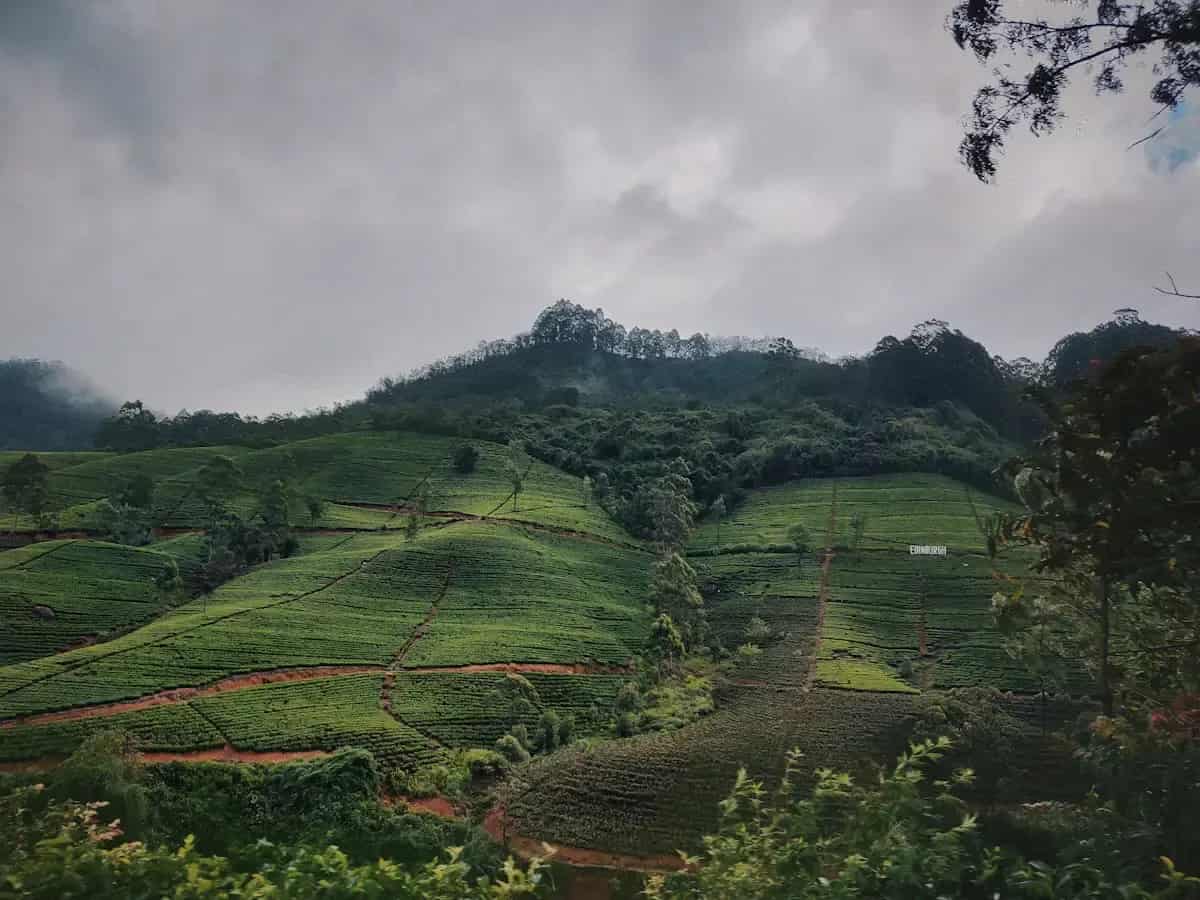
Tour, beach or both?
Most first-time visitors combine the two: a week or more touring, then a few days by the sea. Visit Sri Lanka once like this and you will understand why people come back.
Best time to visit
December to April suits the south, west and hill country; May to September the east coast and the north. Two monsoons mean one side of the island is almost always dry.
The best time to visit Sri Lanka →Weather by month
Around 30 °C on the coast and 20 °C in the hills all year. Rain comes in bursts, usually in the afternoon.
Sri Lanka weather by month →Is Sri Lanka safe?
Yes – it is a safe and welcoming country. Roads are the main risk, which is why we always travel with a professional driver.
Honest safety advice →Visa & ETA
UK and US citizens apply online for an ETA before departure. For tourists it is currently free and valid for stays of up to 30 days.
Sri Lanka visa & ETA explained →What it costs
Our tours start at £1,030 per person, flights not included. On the ground, food, transport and guides are good value.
What a Sri Lanka holiday costs →Why visit Sri Lanka
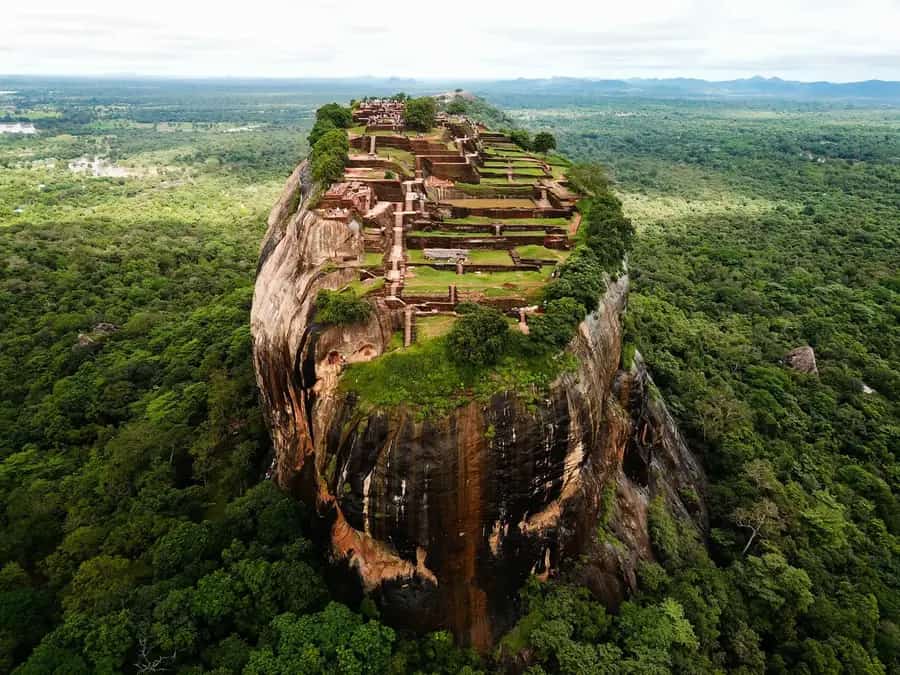
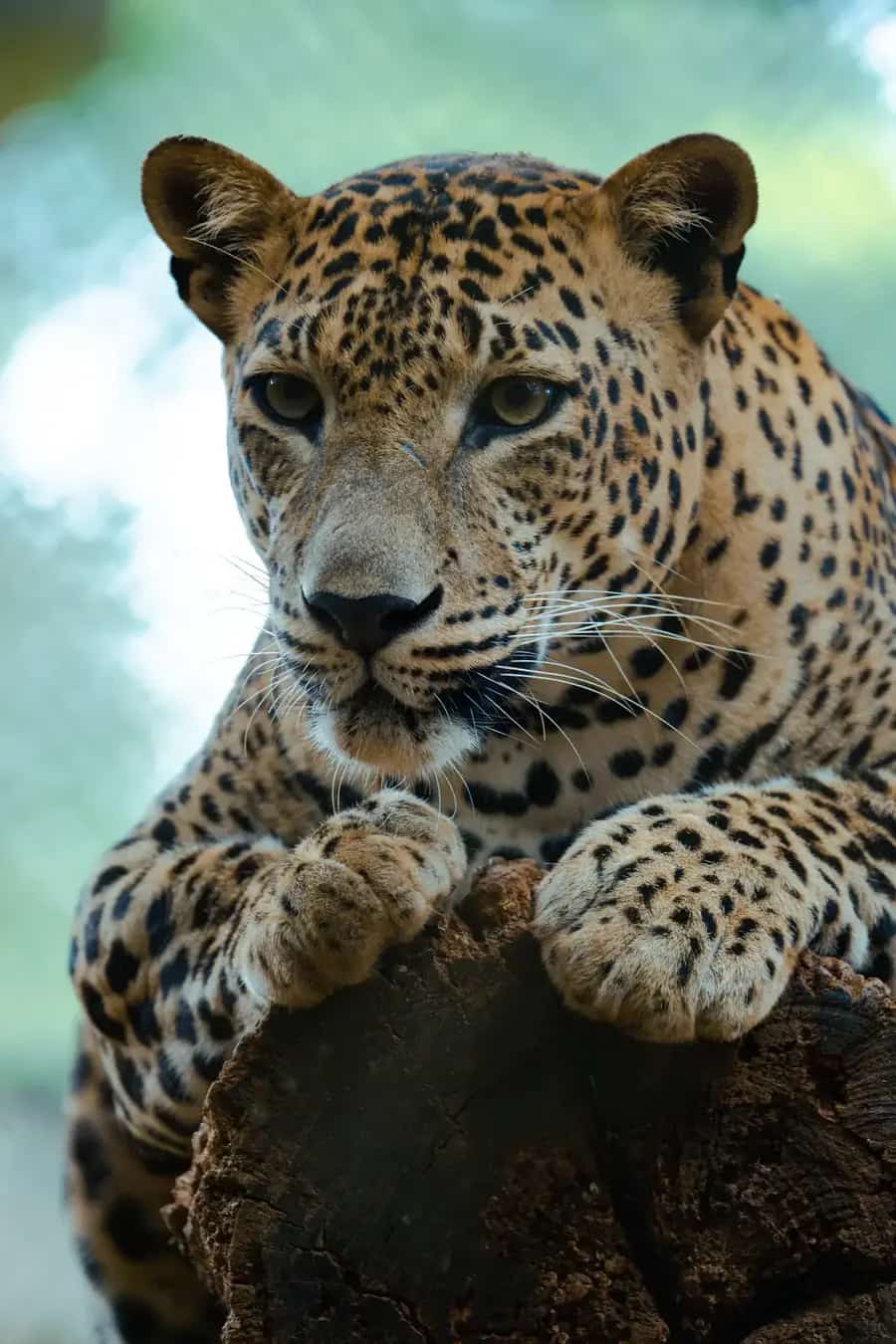
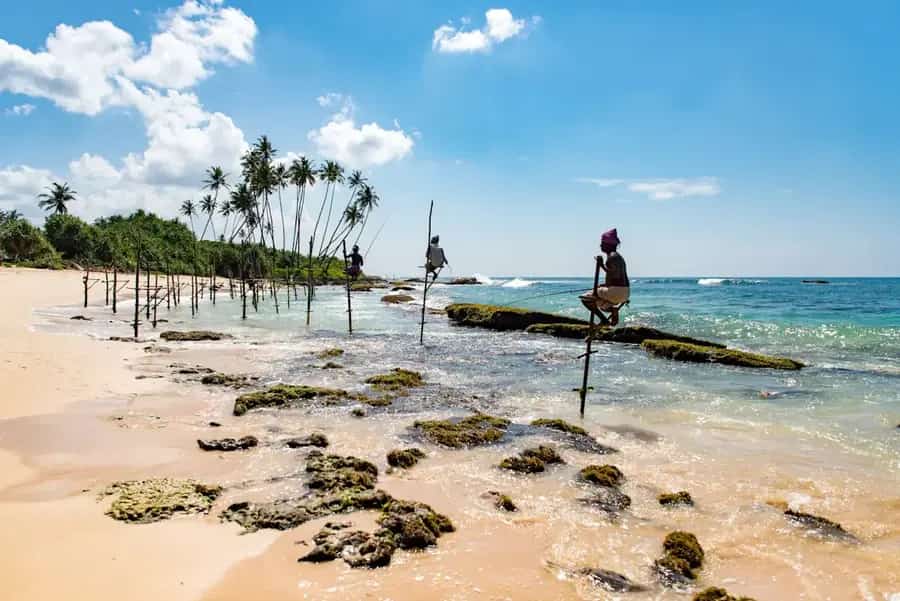
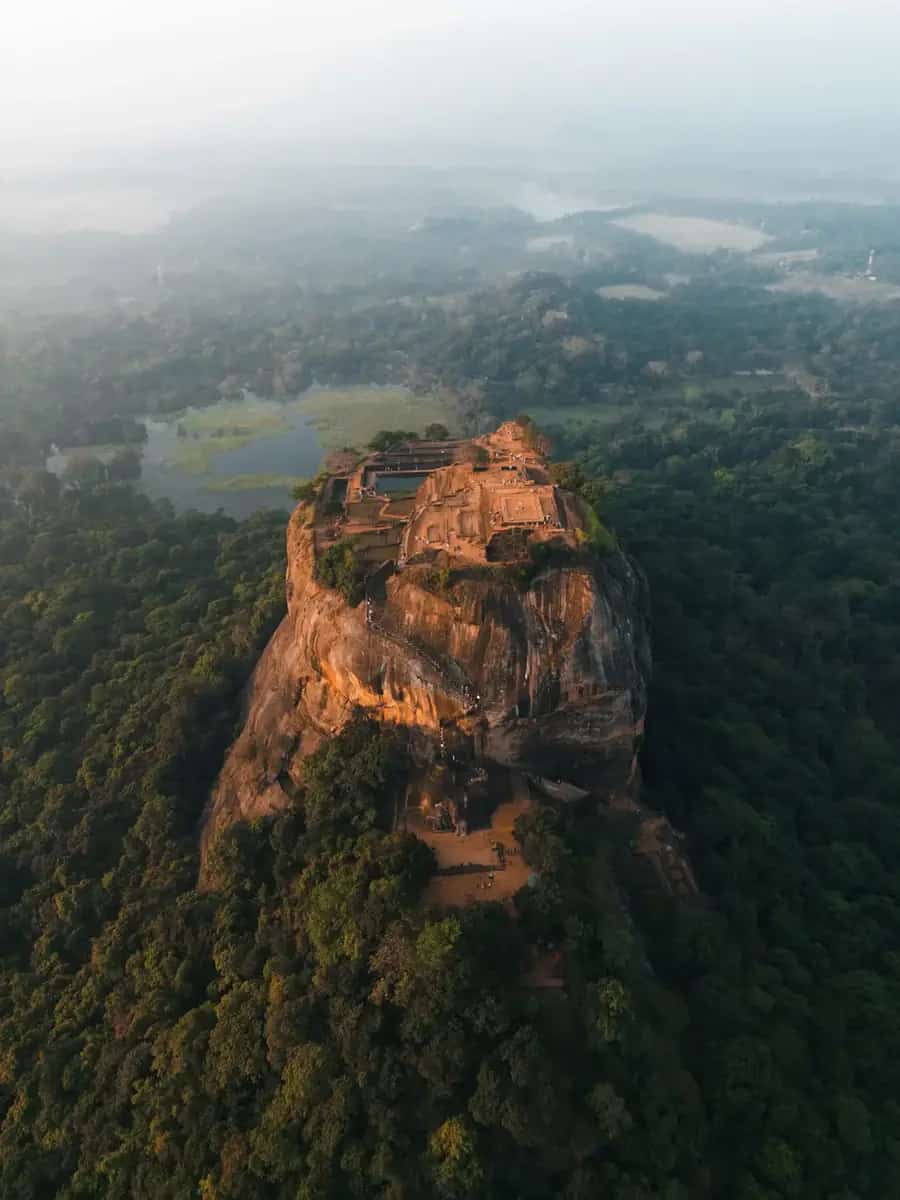
Few places pack so much into such a small space. In a single two-week holiday you can climb a 5th-century rock fortress, watch the evening ceremony at the Temple of the Tooth, wake up in a tea planter’s bungalow in the mist, go on safari for leopards and elephants, and end on a palm-lined beach. Distances are short, the food is extraordinary and people are genuinely welcoming.
Sri Lanka also works for almost every kind of traveller: couples on honeymoon, families with children, solo travellers joining a small group, and anyone who prefers a slower, more personal kind of holiday.
Getting there and getting around
International flights arrive at Bandaranaike International Airport near Colombo, about 20 minutes from Negombo. There are connections from London and other UK airports via the Gulf, and from the US via Europe, the Gulf or Asia. Our holidays start and end at the airport, and we time your pick-up to your flight.
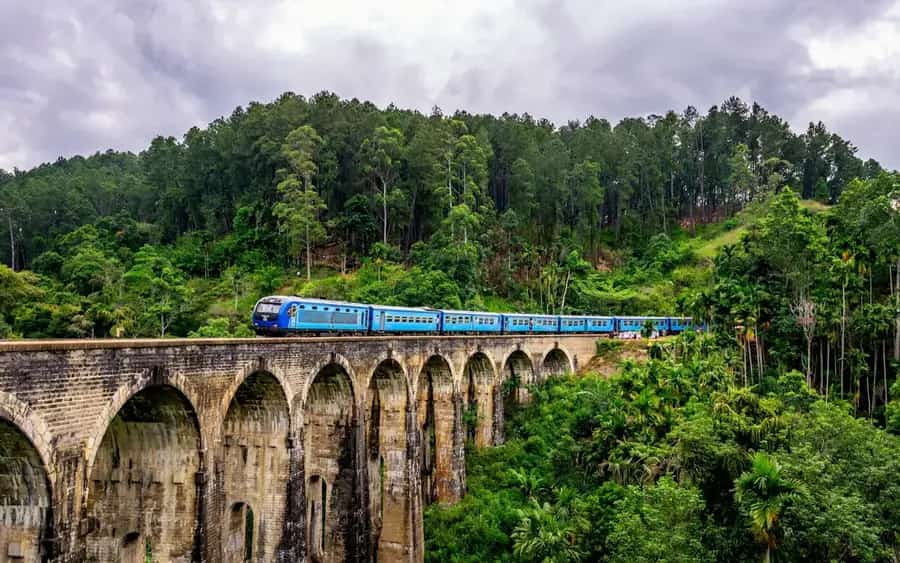
On the island, the most comfortable way to travel is with a driver-guide. Trains are slow but wonderfully scenic, especially in the hill country, and we include reserved seats on the Kandy–Ella line. Domestic flights and seaplanes exist, but for most routes the road is faster door to door.
Food and drink
Rice and curry is the national dish: a plate of rice surrounded by five or six small curries of vegetables, lentils, fish or chicken, with sambols and papadums. Breakfast might be hoppers – bowl-shaped rice pancakes – or string hoppers with coconut sambol. Spice levels vary; ask for “less spicy” and cooks will happily adapt.
Tea is, of course, everywhere, and a visit to a tea factory is part of every tour. Try king coconut water on the roadside, fresh tropical fruit, and a cold Lion lager at the end of the day.
Culture and etiquette
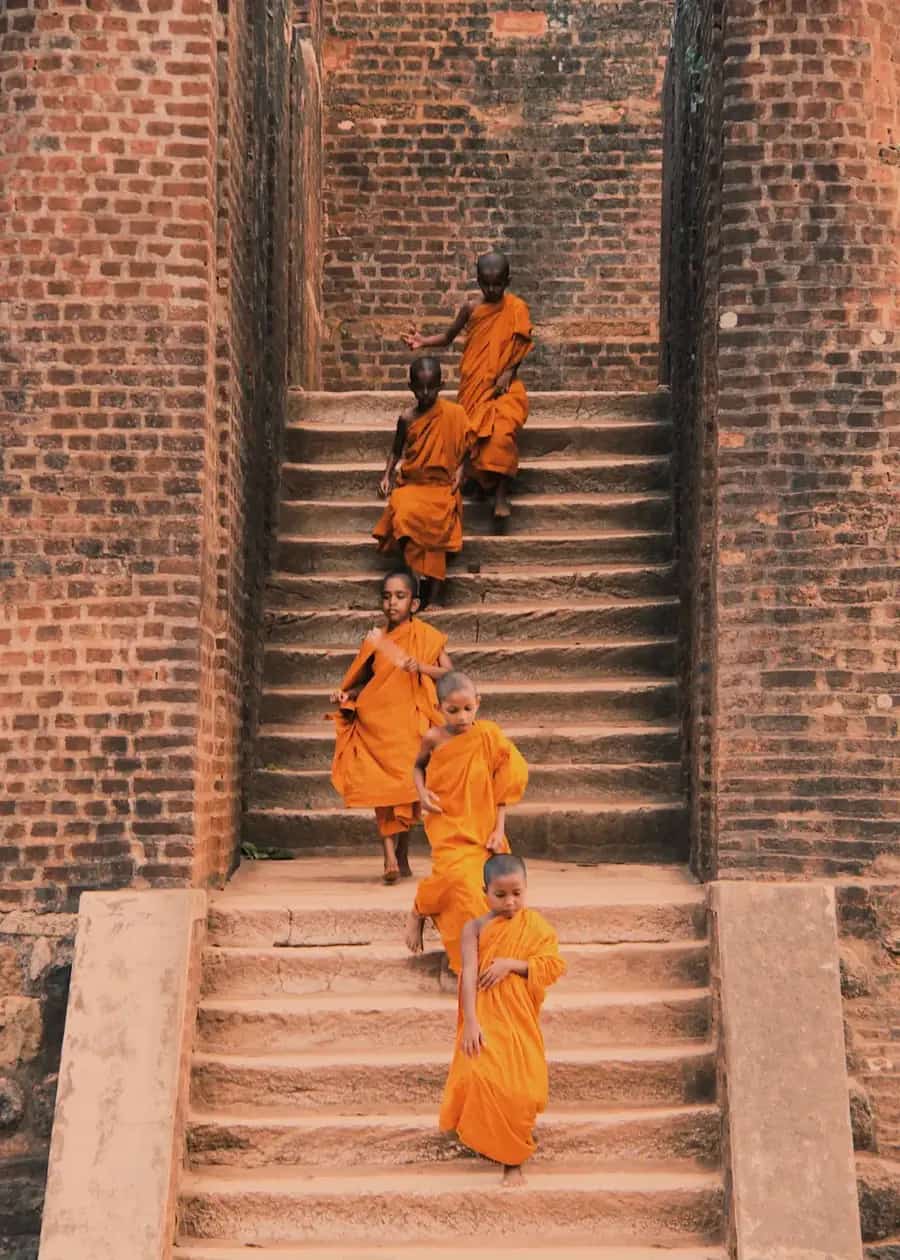
Sri Lanka is predominantly Buddhist, with Hindu, Muslim and Christian communities. At temples, cover shoulders and knees, take off your shoes and hat, and never pose with your back to a Buddha statue. Pointing the soles of your feet at people or statues is considered impolite. A smile and a few words of Sinhala – “ayubowan” for hello, “stuti” for thank you – go a long way.
Money, tipping and costs
The currency is the Sri Lankan rupee. ATMs are widespread in towns, cards are accepted in hotels and larger restaurants, and cash is needed for small shops, tuk-tuks and tips. Tipping is customary: many guests give their driver-guide around US$10–15 per day, and round up restaurant bills if no service charge is included.
A holiday with us starts at a few hundred pounds per night per person including hotels, guide and transport – our costs guide explains what is included and what to budget on top.
Health and packing
No vaccinations are compulsory for UK or US visitors arriving directly, but your GP or a travel clinic will usually recommend a few. Bring mosquito repellent, sunscreen, a hat, light clothes that cover shoulders and knees for temples, and a warm layer for the hill country. Our packing list has the details.
Sri Lanka for families, couples and solo travellers
Families love the elephants, the train and the beaches; we plan short driving days and hotels with pools. Couples come for honeymoons in boutique hotels and beach villas. Solo travellers often join our small group tours, where single rooms are available and company is part of the experience.
Sri Lanka at a glance
Capital: Sri Jayawardenepura Kotte, with Colombo as the commercial centre. Languages: Sinhala and Tamil, with English widely spoken in tourism. Currency: Sri Lankan rupee (LKR). Time: GMT +5:30. Plugs: types D and G. Flight time from London: around 11–13 hours with one stop.
The island is about 430 km from north to south and 225 km from east to west – roughly the size of Ireland – but journeys take longer than the distances suggest. Plan on an average of 40–50 km per hour on most roads.
When to go: the short version
December to April for the south, west and hill country; May to September for the east coast and the north. Because the two monsoons affect different sides of the island, there is good weather somewhere all year. Our best-time guide goes month by month.
How long to stay
One week covers the highlights at a fast pace. Ten days add a safari and the south coast. Two weeks – our recommendation – let you stay two nights in most places. Three weeks add a proper beach stay or the north and east. Our itinerary guide lays out each option day by day.
Where to stay
Sri Lanka has a wonderful range of small hotels: tea planters’ bungalows in the hills, lodges on the edge of the national parks, colonial villas in Galle and boutique beach hotels on the south and east coasts. We work with three levels – Comfort, Boutique and Luxury – and every hotel we use has been visited by our team.
Getting around: driver-guide, train or self-drive?
A driver-guide is the most comfortable and, for most visitors, the safest option: door-to-door transfers, local knowledge and flexibility. Trains are slow but unforgettable in the hill country. Buses are cheap but crowded. Self-drive is possible with a local permit, but the traffic is challenging and we do not recommend it.
Responsible travel in Sri Lanka
Choose operators who pay fair wages to drivers and guides and work with local, family-run businesses. Avoid elephant rides and shows. Dress respectfully at religious sites, ask before photographing people, and use refillable water bottles where you can – our vehicles carry filtered water. Small choices add up on an island of this size.
Plan your Sri Lanka holiday with us
Ceylonreise is a small tour operator with our own team in Kandy. We run small group tours with no more than 11 guests and tailor-made private tours with English-speaking driver-guides. Tell us when you would like to travel and what interests you, and we will send a personal proposal within 48 hours.
Three questions, one tour
Visiting Sri Lanka: common questions
December to April for the south, west and hills; May to September for the east and north.
10 days for the highlights, 2 weeks to travel comfortably, 3 weeks with beach time.
UK and US citizens need an ETA, applied for online before travel – currently free for tourists.
Yes. The main risks are roads, sun and sea – which is why we recommend a driver-guide.
With us from £1,030 pp (7-day private tour) or £1,460 pp (10-day small group tour), flights not included.