

Light clothes, one warm layer for the hills, something that covers shoulders and knees for temples, and good sun protection.
Clothes
Breathable cotton or linen for the heat.
Health & practical
Pack what you would need for a warm, humid climate.
What to wear in Sri Lanka: women
Sri Lanka is conservative away from the beaches. Light dresses or skirts that cover the knee and tops with sleeves are ideal for women. A large scarf or sarong is the most useful item you can pack: it covers your shoulders in temples, protects you from the sun and the air-conditioning, and doubles as a blanket on the train. Swimwear is fine at the beach and pool; cover up when you walk into town. White clothing is appreciated at temples.
What to wear in Sri Lanka: men
Light trousers, shorts, T-shirts and a couple of collared shirts for evenings in good hotels are all most men need. At temples, wear long trousers or shorts below the knee, and remove hats and shoes before entering.
Clothes for Sri Lanka by region
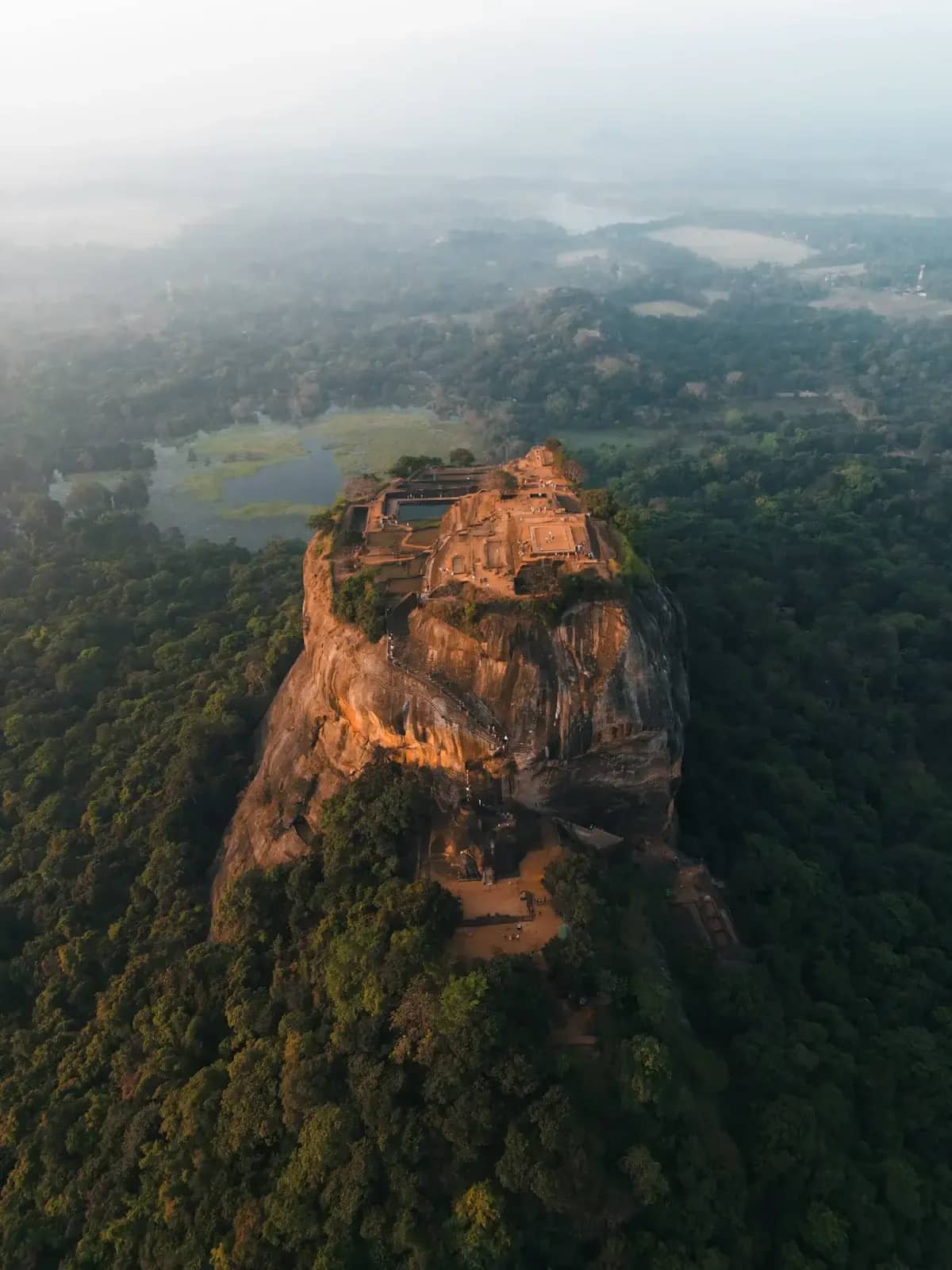
Cultural Triangle: temple-appropriate clothes, sandals you can slip off quickly, a sun hat and a water bottle for the Sigiriya climb.
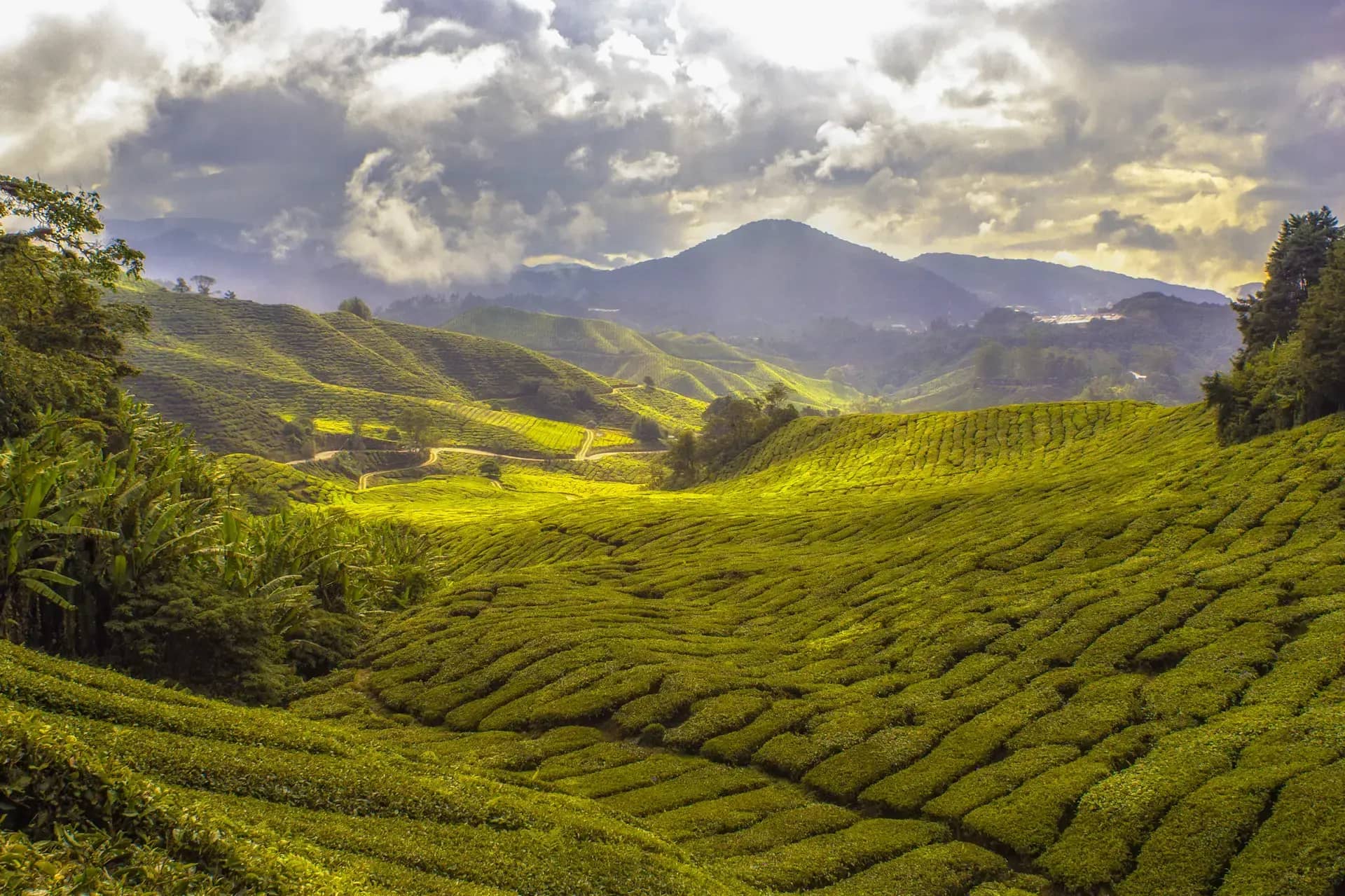
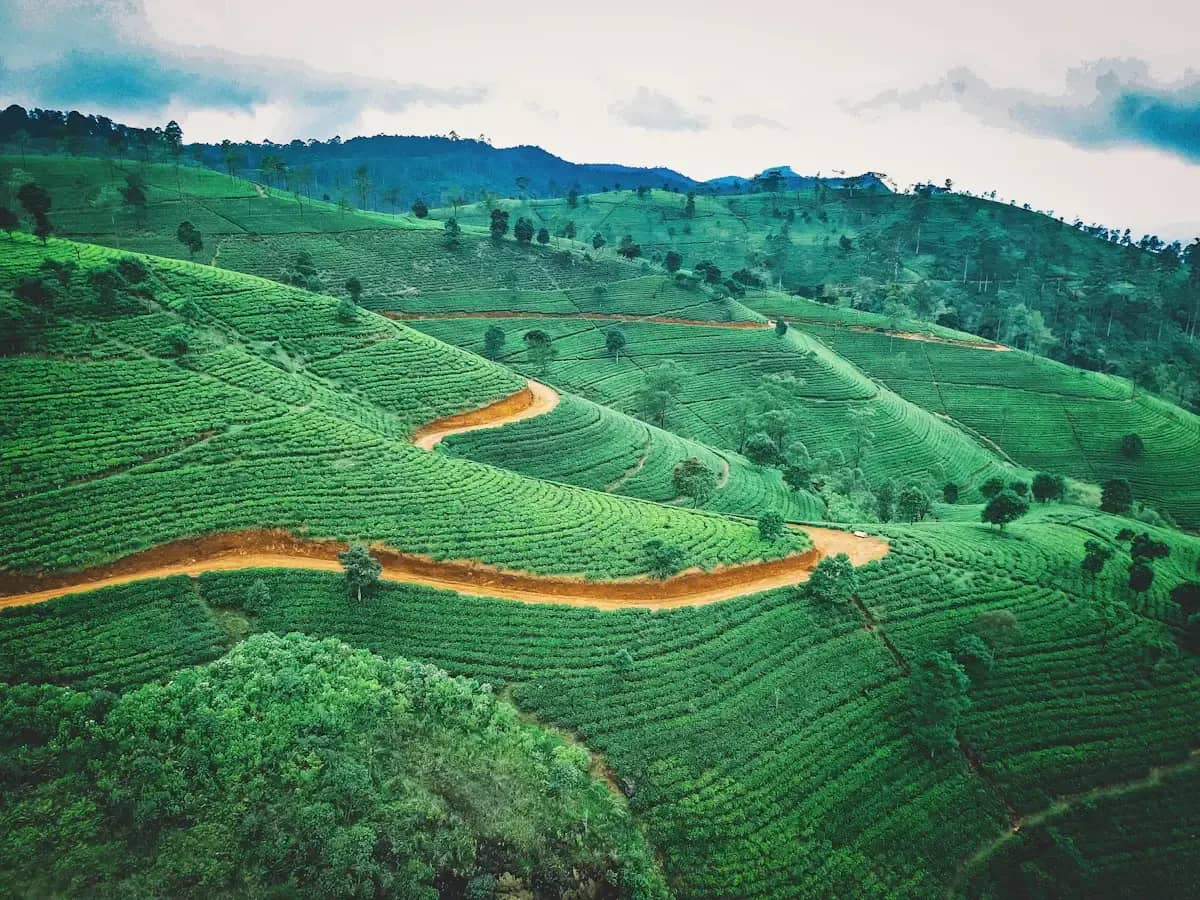
Hill country: a jumper or fleece, long trousers, a light rain jacket and sturdy shoes for Horton Plains and Little Adam’s Peak.
Safari: muted colours, binoculars, a scarf against the dust and a camera with a zoom lens.
Beach: swimwear, a beach towel, high-factor sunscreen and sunglasses.
Health kit
Pack your personal medication in sufficient quantity in your hand luggage, plus something for an upset stomach and oral rehydration salts, mosquito repellent with DEET or icaridin (dengue is spread by mosquitoes that bite during the day), factor 50 sunscreen, plasters and blister plasters, painkillers and travel-sickness tablets for winding mountain roads. Talk to your GP or a travel clinic about vaccinations a few weeks before you travel.
What to leave at home
Heavy jeans, which barely dry in the humidity. Too many shoes: sandals, walking shoes and one pair for the evening are enough. Valuable jewellery. Drones, which need a permit. A hairdryer and towels – hotels provide them.
Luggage on tour
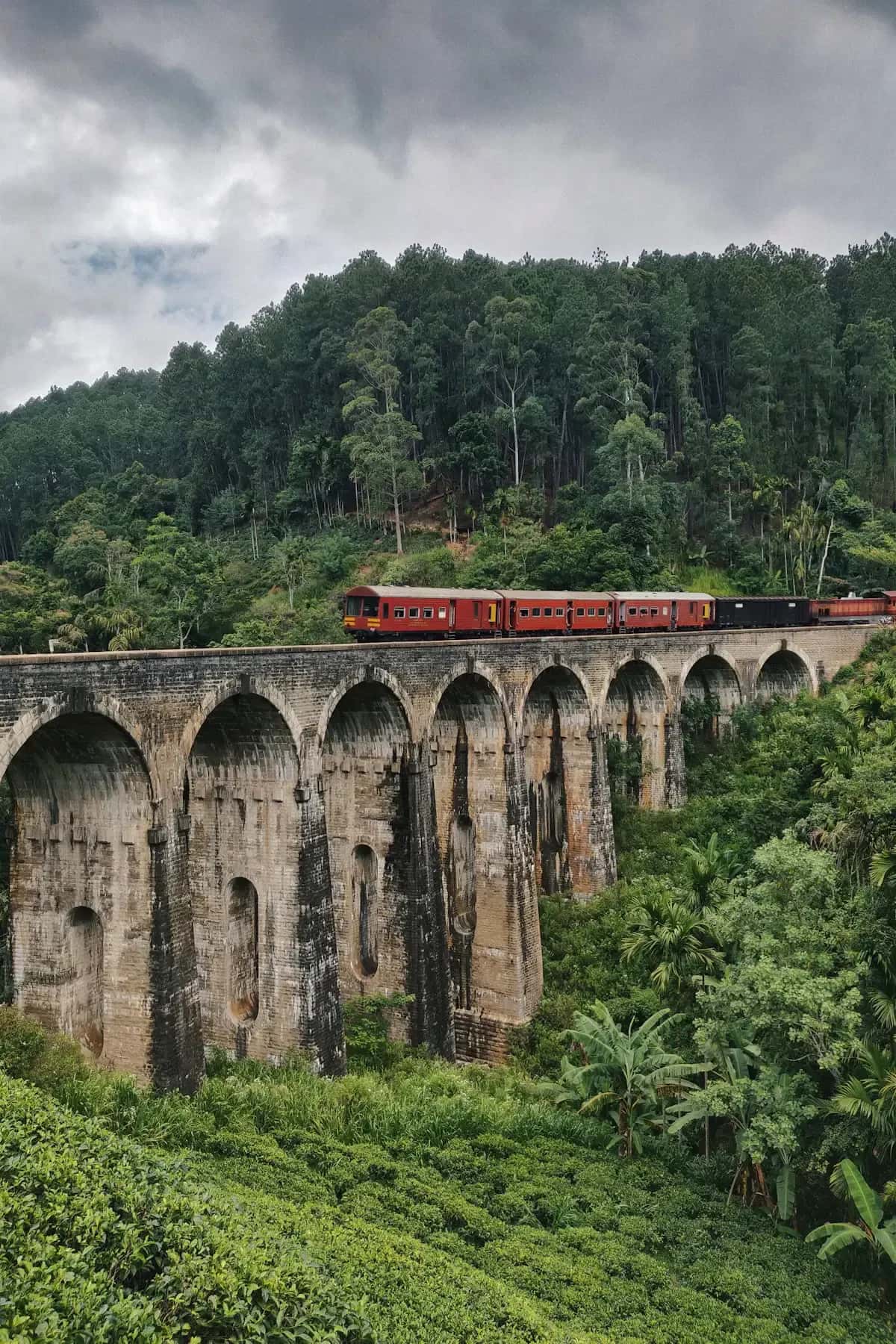
One medium suitcase per person is plenty. On our tours your luggage travels in the vehicle, including during the train journey into the hills, so on the train you only carry a small daypack. Most hotels offer a laundry service, so you do not need a separate outfit for every day.
The short checklist
Passport and ETA approval, cards and a little cash, travel insurance details, a universal adapter (types D and G), power bank and cables, binoculars, a light rain jacket, a jumper, temple clothes, swimwear, sandals, walking shoes, sun hat, sunglasses, sunscreen, mosquito repellent, your health kit and a small torch.
Electronics and power
Sri Lanka uses 230 volts, and sockets are mostly type D or G. A universal adapter covers both, and many hotels also have universal sockets. A power bank is useful on long travel days and safaris, and a small extension lead helps when two people want to charge phones, cameras and watches at the same time.
Camera gear
A zoom lens pays off on safari; for temples and landscapes a phone is enough. Bring plenty of memory cards and a microfibre cloth against humidity and dust. In the hill country, lenses fog up when you step out of an air-conditioned vehicle – give your camera a few minutes to adjust.
Packing for the rainy season
Travelling between May and November? Pack a light rain jacket or a small umbrella, quick-drying clothes and sandals that can get wet. A waterproof phone pouch and a few bags for damp clothes are useful too. You will not need heavy rain gear – the showers are warm and usually pass quickly.
Hand luggage for the long flight
Flights to Sri Lanka usually take 10–14 hours with a connection. In your hand luggage keep your passport, ETA approval, medication, a change of clothes, a thin jumper for the air-conditioning, chargers and headphones – so you are covered even if your suitcase arrives a day later.
Leave room for souvenirs
Keep some space in your case: Ceylon tea straight from the factory, spices from a spice garden, batik and wood carvings are popular gifts. Buy gems only from reputable dealers with a certificate. Antiques need an export permit, and items showing the Buddha should always be treated with respect.
Shoes
Bring comfortable sandals you can slip off quickly at temples, where you walk barefoot – thick socks help on hot stone at midday. For Sigiriya, Little Adam’s Peak and Horton Plains you want trainers or light walking shoes with grip. One smarter pair for the evening completes the set.
Packing for families
Travelling with children? Add sun hats and UV swimwear, child-friendly mosquito repellent, a few familiar snacks for long drives and a tablet or books for the train. On our tours we provide child seats in the vehicle – just tell us your children’s ages when you book. Nappies and baby food are sold in supermarkets in larger towns, but bring specific brands from home.
And for everyone: pack a little less than you think. Almost anything you forget can be bought in Sri Lanka.
Frequently asked questions
Yes, for the hill country – evenings in Nuwara Eliya are cool.
Mostly types D and G; a universal adapter covers both.
Shoulders and knees covered; shoes and hats off.
Avoid revealing clothes away from the beach, and clothing with images of the Buddha – it can cause offence and has led to problems at entry. Beachwear belongs on the beach.
Light, breathable clothes, something that covers shoulders and knees for temples, a warm layer for the hills, a light rain jacket, sandals and walking shoes, sun and mosquito protection, and a universal adapter.