

December to April for the south, west and hill country; May to September for the east coast and the north. Thanks to two monsoons, somewhere on the island is always dry.
Region × month
● good · ◐ possible · ○ wet. Averages, not guarantees – showers are short in most months.
Month by month
A quick guide to what each part of the year brings.
Monsoons explained
Sri Lanka has two monsoons. The south-west monsoon (roughly May to September) brings rain to the west, south and hill country. The north-east monsoon (roughly December to February) brings rain to the east and north.
That is why we run the North & East tour in summer and our classic routes in winter.
Tours per month
Our group tours are timed to the best season for their route; private tours run all year.
Sri Lanka in December, January and February
This is the classic season for a first Sri Lanka holiday. The north-east monsoon brings rain to the east coast, but the south coast, the west coast around Colombo and Negombo, the Cultural Triangle and the hill country are mostly dry and sunny. Days on the coast reach around 30 °C, the sea is calm on the south coast and whale-watching boats leave Mirissa most mornings.
Christmas, New Year and the February half-term are the busiest weeks of the year. Popular hotels in Galle, Ella and the tea country fill up months ahead, and train seats from Kandy to Ella sell out quickly. If you want to travel over the holidays, book at least six months in advance – or choose January, which is just as dry and noticeably quieter after the first week.
Sri Lanka in March and April
March is one of our favourite months: still dry almost everywhere except the east, the hills are clear and green, and the crowds have thinned. It is also the start of the best leopard season in Yala, when water holes shrink and animals are easier to find.
April is the hottest month, with highs of 32–33 °C on the coast and humid afternoons. Sinhala and Tamil New Year falls in mid-April – a lovely time to see family celebrations, although some shops close for a few days and domestic travel is busy. From late April, the first pre-monsoon showers reach the south-west.
Sri Lanka from May to September
The south-west monsoon arrives in May. The west and south coasts become wetter and the sea there is rough – not the weather for a beach holiday in Bentota or Mirissa. But this is exactly when the east coast is at its best: Trincomalee, Pasikudah and Arugam Bay have calm, clear water and long sunny days, and the north around Jaffna is dry.
The Cultural Triangle and Kandy stay very travelable throughout the summer. Rain in the hill country comes mostly in afternoon showers, and the landscape is at its greenest. In August, Kandy hosts the Esala Perahera, the island’s great Buddhist festival, and the elephant gathering at Minneriya reaches its peak. This is why our North & East small group tour runs only in summer.
Sri Lanka in October and November
October and November are the inter-monsoon months. Expect short, heavy showers in the afternoon almost anywhere on the island, with dry, bright mornings in between. It is the quietest time of the year, hotels are at their lowest prices and the countryside is lush.
For travellers who do not mind a little rain, this can be a rewarding time for a private tour: we plan the day so sightseeing happens in the morning and long drives in the afternoon. It is less ideal for a pure beach holiday; if the sea matters most, wait until mid-December for the south or plan for the east coast from May.
Best time for wildlife, whales and festivals
Leopards in Yala are easiest to see from February to July. The elephant gathering at Minneriya and Kaudulla is best from July to October. Blue whales are seen off Mirissa from December to April and off Trincomalee from May to August.
Festivals follow the lunar calendar, so dates move every year. The most important are the Esala Perahera in Kandy (July/August), Vesak in May, when towns are lit with lanterns, and Sinhala and Tamil New Year in April. We check the dates for your year when we plan your route.
The best time to visit Sri Lanka, by region
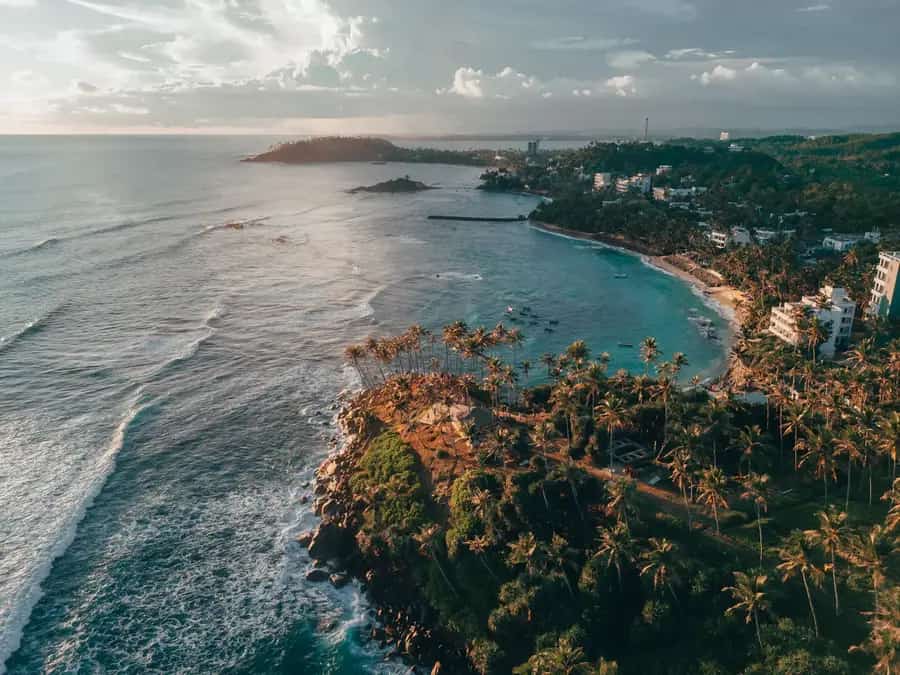
South and west coast (Galle, Mirissa, Tangalle, Bentota): December to April is the season. The sea is calm, skies are clear and humidity is at its most bearable. From May the south-west monsoon brings rough seas and regular rain; many beach hotels reduce prices, and some beach restaurants close.
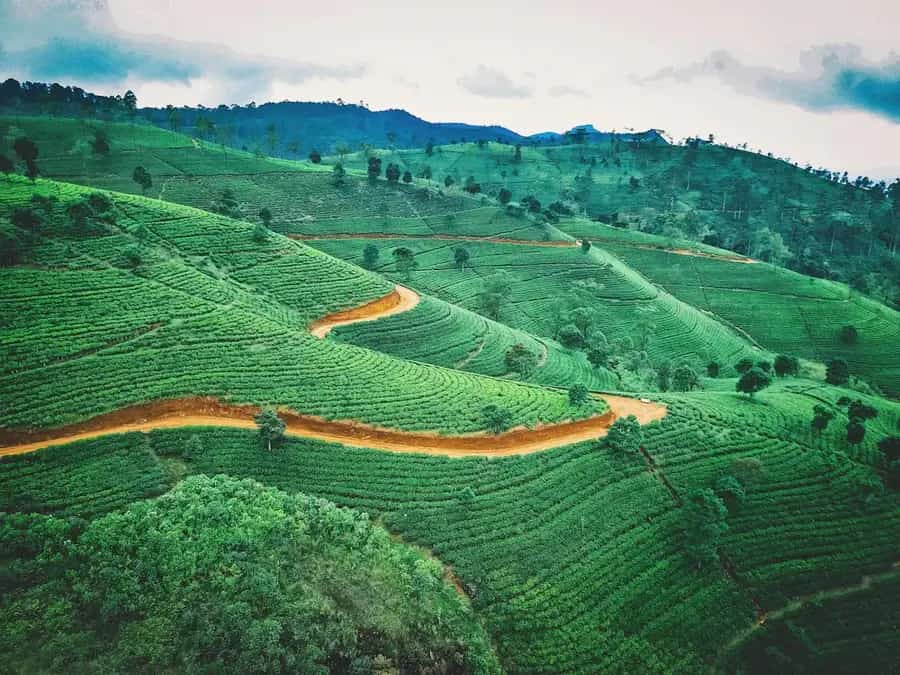
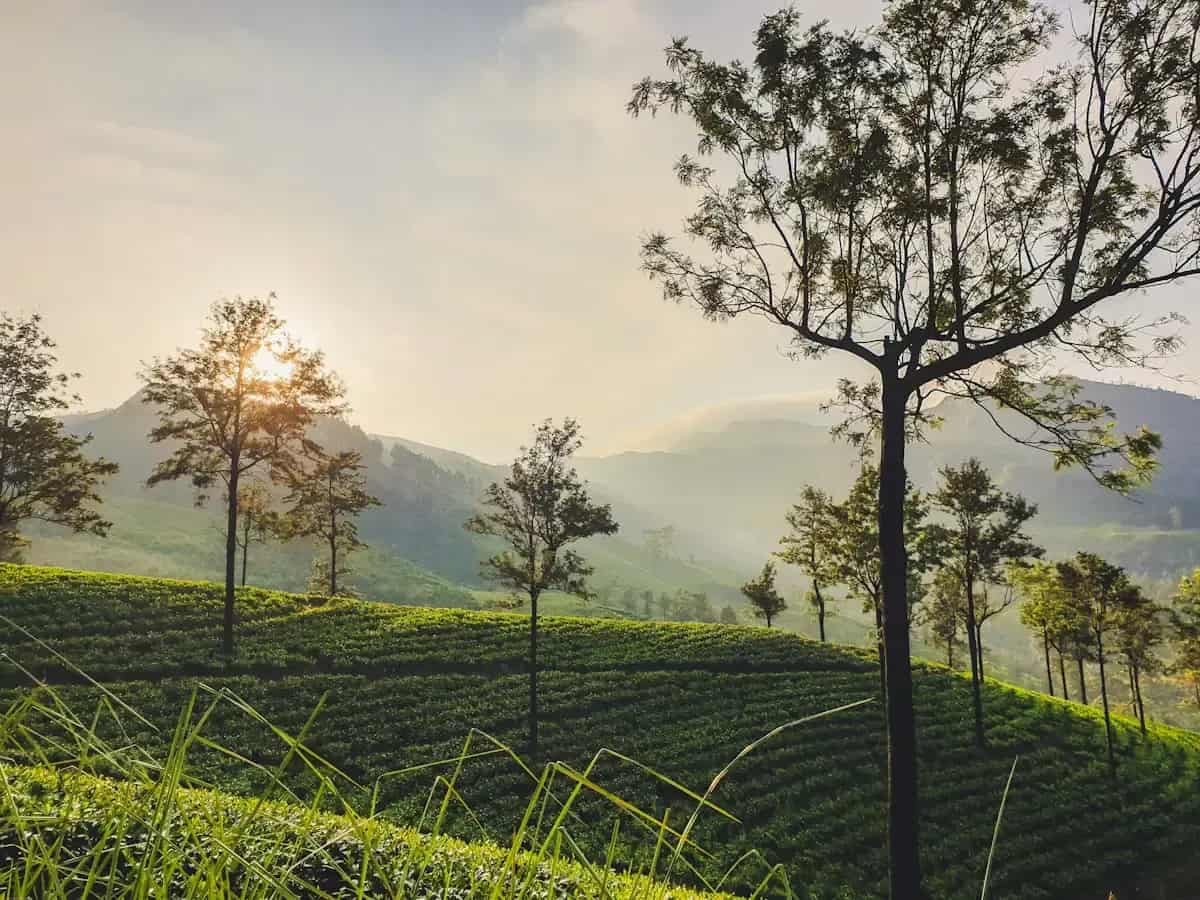
Hill country (Kandy, Nuwara Eliya, Ella, Horton Plains): January to April offers the clearest views and driest trails. The hills can be visited all year, but between May and September the western slopes around Adam’s Peak and Hatton are wetter, while Ella and the Uva side often stay drier. Nights are cool all year above 1,500 metres.
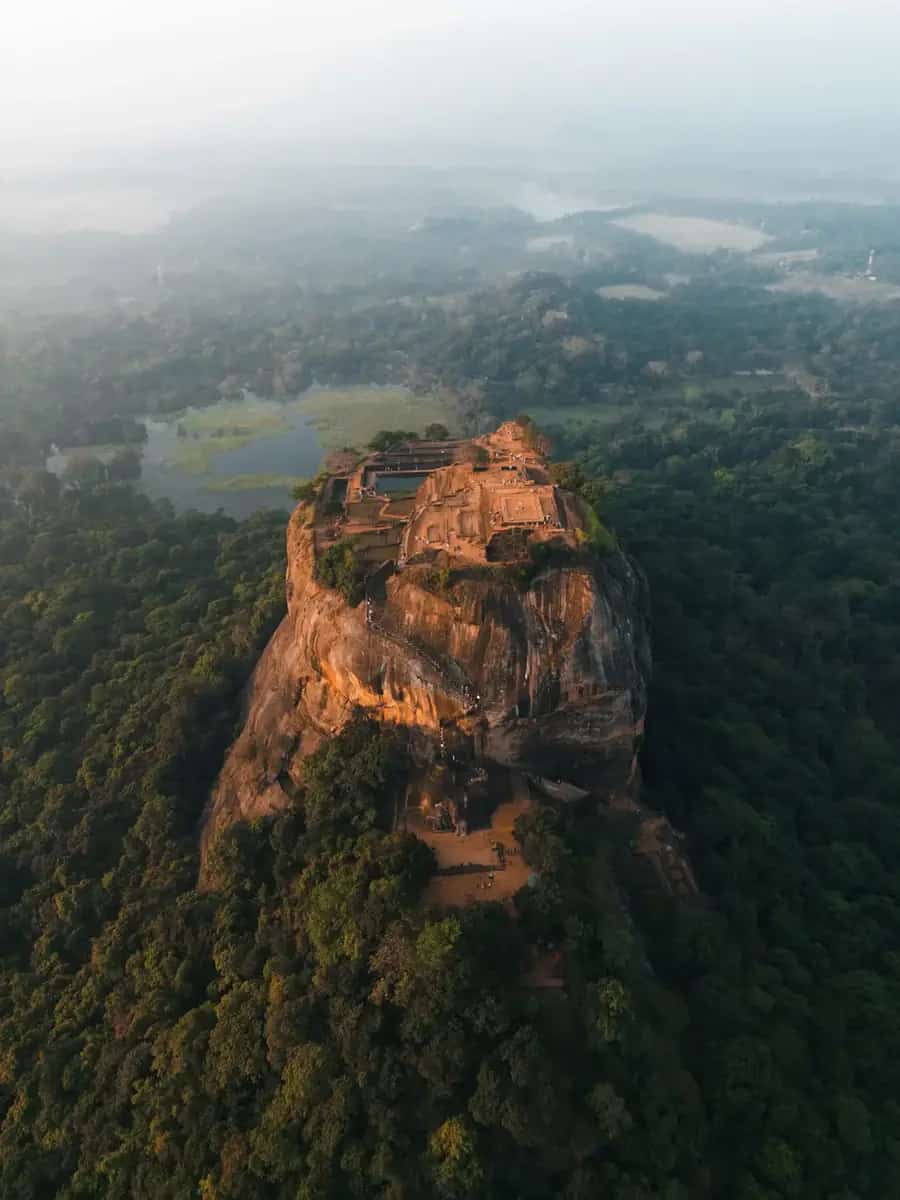
Cultural Triangle (Sigiriya, Dambulla, Polonnaruwa, Anuradhapura): this dry zone is travelable almost all year. January to April is pleasant; May to September is hotter and very dry, which is when the elephants gather at Minneriya. The main rain arrives in October to December.
East coast (Trincomalee, Pasikudah, Arugam Bay): May to September. The sea is flat and clear, ideal for swimming and snorkelling, while the north-east monsoon makes it wet and windy from November to January. Arugam Bay is a surfing hotspot from May to October.
The north (Jaffna and the islands): June to September is driest. It is hot, flat and very different in culture and cuisine from the south – best combined with the east coast in summer.
Month by month in more detail
January: dry and sunny in the south, west, hills and Cultural Triangle; one of the best months overall. February: similar, slightly hotter, excellent for Yala and whale watching off Mirissa. March: still dry, fewer visitors, great light in the tea country. April: hottest month, New Year celebrations mid-month, first showers towards the end.
May: monsoon arrives in the south-west, the east coast season begins, Vesak lanterns in every town. June: wet on the west and south coasts, dry and hot in the east and north. July: excellent on the east coast, the Esala season begins in Kandy. August: Esala Perahera in Kandy, peak of the elephant gathering, busy on the east coast.
September: the south-west monsoon eases; a good shoulder month. October: inter-monsoon showers across the island, very green and quiet. November: showers continue, the east coast turns wet; hotel prices are at their lowest. December: the south and west dry out from mid-month; the Christmas period is the busiest of the year.
Peak season, shoulder season and low season
Peak season runs from mid-December to March, with the highest prices and fullest hotels, especially over Christmas, New Year and the February half-term. Shoulder seasons – April and September – often give the best balance of weather and value. Low season in May, June, October and November means lower prices and fewer visitors, and with the right route it is still a very good time to travel.
Because we plan the route around the season, there is no bad month for a Sri Lanka holiday – only the wrong route for the month. Tell us when you can travel and we will tell you honestly which parts of the island will be at their best.
Best time for a Sri Lanka holiday with children
For UK families, the February half-term and the Easter holidays fall in the best season for the south and west coasts. The summer holidays in July and August are ideal for a route combining the Cultural Triangle, the hills and the east coast, where the sea is calm and shallow at Pasikudah. The Christmas holidays are the busiest time – book well ahead.
Our recommendation
For a first holiday that combines culture, tea country, wildlife and beach, travel between January and March and finish on the south coast. If you can only travel in summer, choose a route through the Cultural Triangle and the hills that ends on the east coast – our North & East small group tour is designed exactly for that.
Frequently asked questions
May, June, October and November – outside peak season, with lower hotel prices.
Yes for the east coast, the north and the Cultural Triangle; the south and west see rain.
May to September in the south-west, December to February in the north-east, plus showers in October and November.