

From leaf to cup: how Ceylon tea is plucked, withered and rolled, and why the altitude matters.
Two leaves and a bud
Plucking begins early, while the air is still cool. Pickers take only the top two leaves and the bud from each shoot – the youngest, most tender growth – and toss them over their shoulder into the basket. A skilled picker gathers around 20 kilograms a day. Most are Tamil women whose families came from southern India in the 19th century to work on the estates.
Inside the factory
In the factory the leaves are spread on long troughs and withered with warm air for up to a day, until they lose much of their moisture. They are then rolled to break the cells and release the juices, left to oxidise – the step that turns green leaves copper-brown – and finally fired in hot dryers. Sorting by leaf size gives the grades you see on tea packets, from broken orange pekoe to fine dust.
Most factories welcome visitors and end the tour with a tasting. It is a revelation how different teas from the same slope can taste, depending on the grade and the time of year.
Why altitude matters
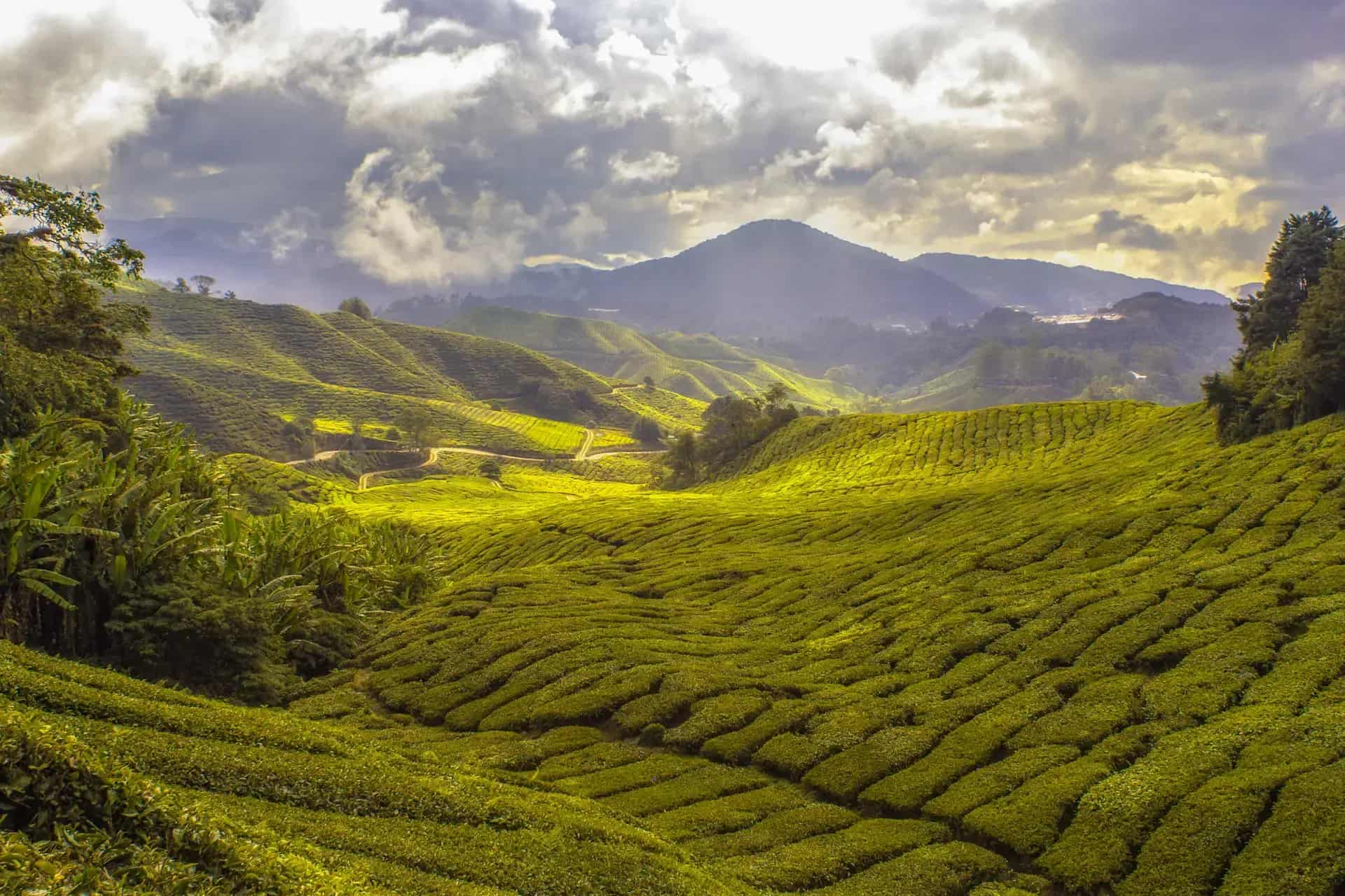
Ceylon tea is classified by elevation. High-grown teas from Nuwara Eliya and Uva, above 1,200 metres, are light, bright and fragrant. Mid-grown teas around Kandy are fuller. Low-grown teas from the south are dark and malty, much loved in the Middle East. On our tours you taste all three.