

Every year in the dry season, hundreds of wild elephants gather around one ancient reservoir. Here is how the Minneriya gathering works, where else to see elephants in Sri Lanka and why we never include elephant rides.
An island of elephants
Sri Lanka is home to an estimated 6,000 wild elephants – on an island smaller than Ireland. Few countries offer such good chances of seeing Asian elephants in the wild. They roam the national parks of the dry north, east and south, follow ancient migration routes and sometimes appear by the roadside. For many of our guests, the first sight of a herd is the most moving moment of the whole trip.
Elephants also play a big role in the island’s culture. They walk in religious festivals such as the Kandy Perahera and stand for strength and wisdom. Living alongside them is not always easy, though: where farmland meets forest, conflicts between farmers and elephants are common. That makes the national parks and wildlife corridors all the more important.
An ancient lake
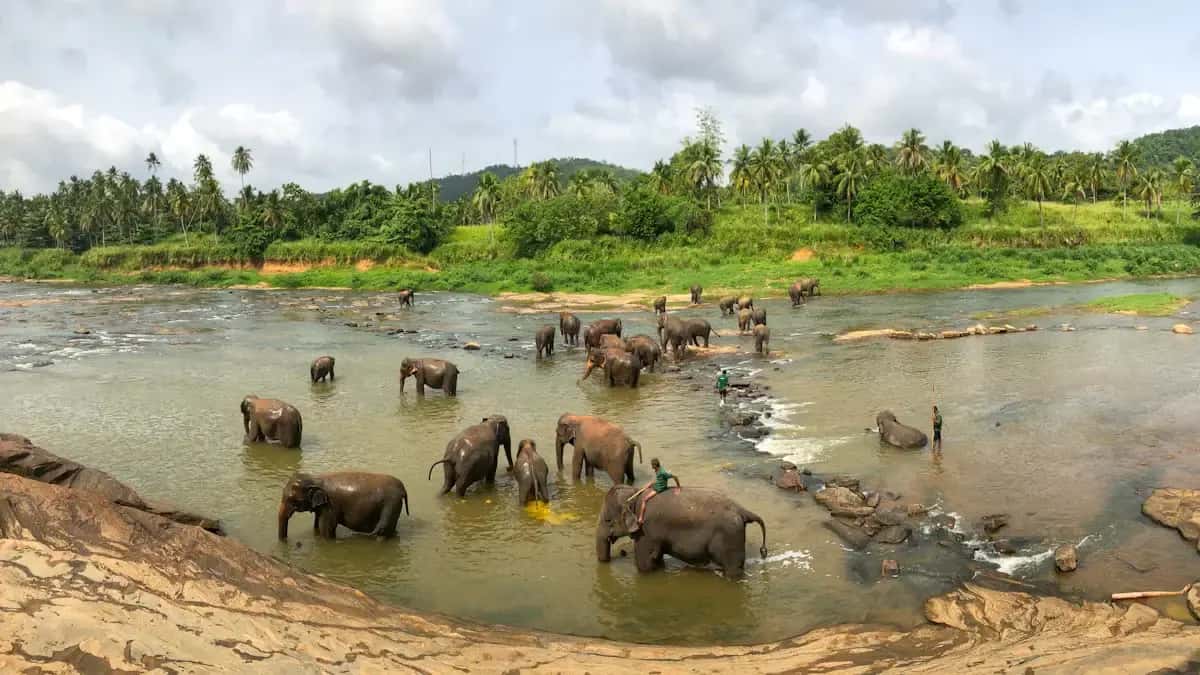
The Minneriya reservoir was built by King Mahasena in the 3rd century to irrigate rice fields. As the dry season takes hold from July, the water retreats and fresh grass grows on the exposed lake bed. Elephants from the surrounding forests come to feed, bathe and socialise – at the peak, in August and September, several hundred may be present at once.
The gathering usually runs from July to October. In other months we head to neighbouring Kaudulla National Park or the Hurulu Eco Park instead. Our drivers know each day where the herds are, because the elephants move freely between the parks.
Elephants and people
Where villages and fields border the forest, life with elephants is not always easy. At night the animals sometimes raid gardens for bananas, rice and sugar cane, damaging huts and fences on the way. Many villages protect themselves with electric fences or watchtowers, and conservation projects are testing beehive fences and citrus hedges that elephants avoid. When you pay park fees and hire a jeep, you help make protected areas valuable to the people who live around them.
Elephants with children
For children an elephant safari is often the highlight of the whole holiday. Udawalawe is especially good: the drives are not too long, the animals are almost always there, and feeding time at the Elephant Transit Home delights guests of every age. On family holidays we plan afternoon drives so nobody has to get up before dawn, and we provide child seats in the vehicle.
When to go
You can see elephants in Sri Lanka all year round. For the great gathering at Minneriya and Kaudulla, July to October is ideal. Udawalawe is good in any season. In the south and east, February to September is usually drier, and the animals gather at the remaining water holes. Tell us when you are travelling and we will plan the route so you visit the right park at the right time.
At Minneriya and Kaudulla the elephants usually come out of the forest onto the grassland in the late afternoon, so a safari from about 2.30pm until sunset works best. In Udawalawe and Yala morning and afternoon drives are equally good, with mornings cooler and quieter. Expect three to four hours in the jeep.
Udawalawe National Park and the Elephant Transit Home
On the way to the south coast lies Udawalawe National Park, where an Udawalawe safari shows you elephants on almost every drive. The park surrounds a large reservoir and is mostly open grassland and scrub, so the animals are easy to watch. Small herds with calves often stand right by the water, and with luck you will see young bulls testing their strength in mock fights.
Next door, the Elephant Transit Home cares for orphaned calves and releases them back into the wild when they are old enough. It is run by the country’s wildlife department. Visitors watch feeding time from a viewing platform without touching the animals – exactly as it should be.
Other places to see elephants
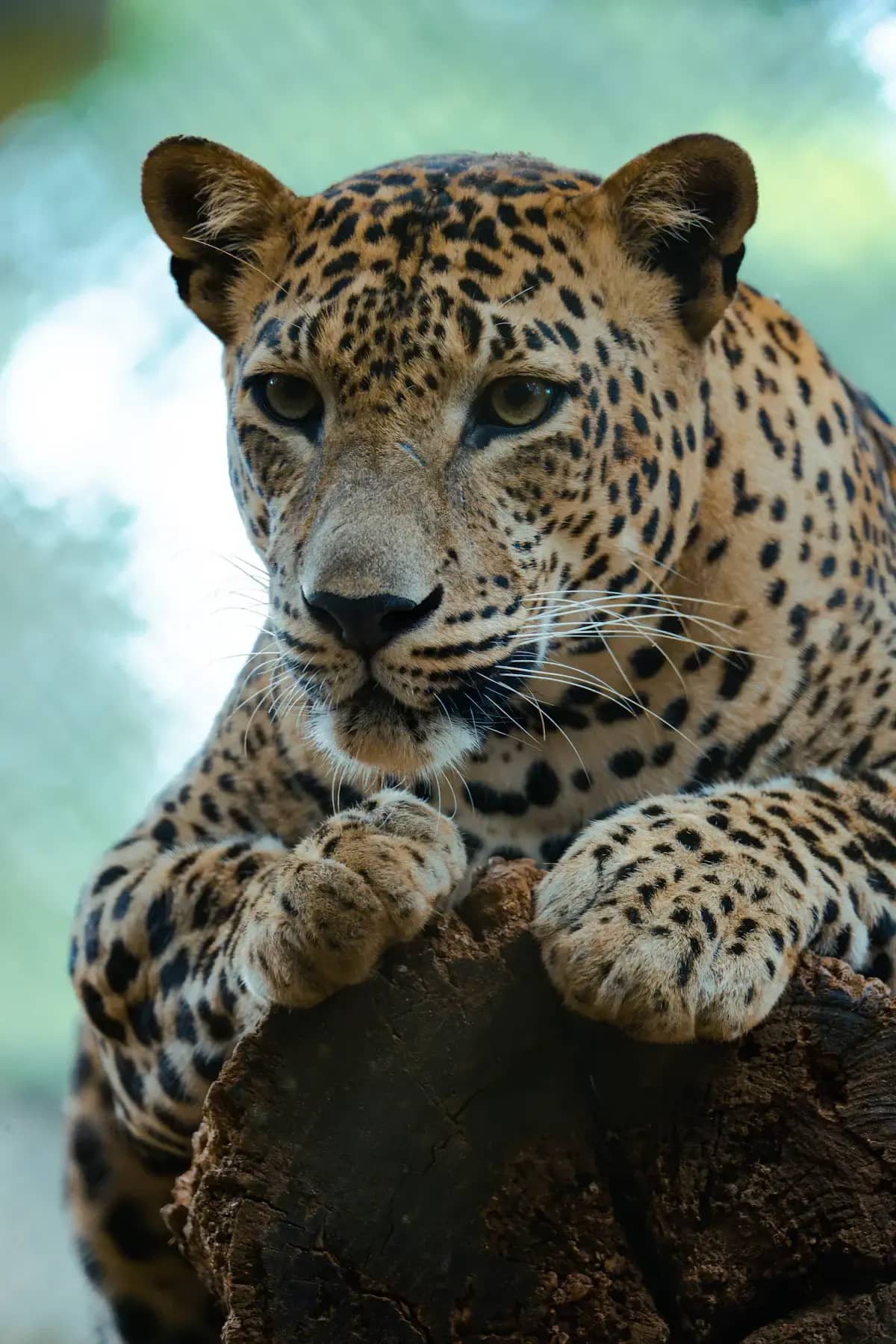
Kaudulla, next to Minneriya, has its own large lake and is an excellent alternative, especially in late summer and autumn. Hurulu Eco Park near Habarana is forest country and often quieter than the big parks. Yala is famous for leopards but has plenty of elephants too, often among rocks and lagoons. Wasgamuwa is remote and little visited – perfect if you want wildlife without other jeeps. And at Gal Oya in the east you may see elephants swimming between islands in the reservoir, a rare sight anywhere in the world.
Elephant orphanage, rides and sanctuaries
Many guests ask about the Pinnawala Elephant Orphanage in Sri Lanka, the best-known on the island. The elephants there live permanently in captivity and are not returned to the wild, so instead we visit the Elephant Transit Home at Udawalawe, which prepares calves for life in freedom. Places that call themselves an elephant sanctuary in Sri Lanka also vary greatly – it is worth asking how the elephants live before you visit.
Elephants used for rides are usually trained harshly. To make a wild elephant obedient, its will is often broken while it is still young. Shows where elephants perform tricks, and places where you can bathe or feed them, are often not as harmless as they look. That is why we do not include elephant rides or visits to places where elephants perform. We visit only national parks and projects that leave the animals free.
Watching wild elephants is far more rewarding anyway. You see how a herd behaves, how the matriarch decides where they go and how the calves play in the mud. Those are the moments people remember.
Watching responsibly
Our drivers keep a respectful distance – at least thirty metres, and much more with mothers and young calves – and never block the animals’ path to water or forest. We keep quiet, play no music, use no flash and stay inside the jeep. Ears spread wide, a raised trunk or head-shaking are warning signs, and we calmly move on. And we never feed elephants, not even the ones that wait by the roadside hoping for food.
Photographing elephants
Elephants are rewarding subjects because they are big and move slowly. A 200–400mm zoom is ideal, but a phone works well too when a herd stands close to the track. The light is loveliest in the late afternoon, with the sun low over the lake and dust in the air. Look for moments rather than portraits: a calf pressing under its mother, two young bulls sparring, a herd wading through the water.
Elephants on our tours
A safari is included on most of our tours – in Minneriya, Kaudulla, Udawalawe or Yala, depending on your route and the time of year. Park fees, jeep and an experienced driver are part of the price. On family holidays we like to include Udawalawe and the Elephant Transit Home, and if you would love to see leopards too, read our story about Yala.