

Why patience beats speed on safari, and what our trackers look for at dawn.
Before sunrise
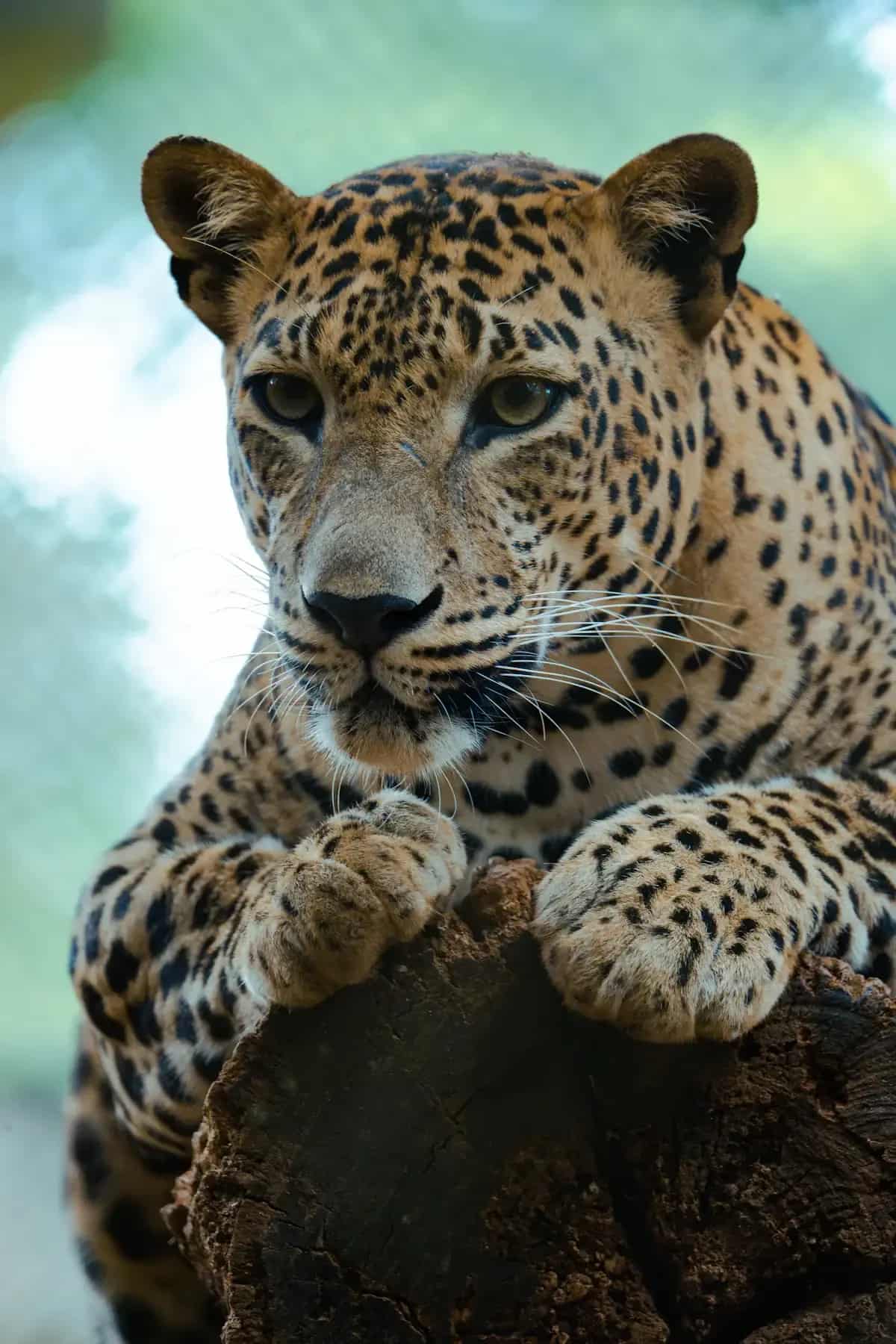
The jeeps line up at the Yala gate in the dark. When it opens at six, most drivers race to the areas where leopards were seen the day before. Our trackers prefer a different approach: drive slowly, stop often, switch off the engine and listen. Alarm calls from spotted deer or langur monkeys often reveal a leopard long before you see it.
Reading the signs
Fresh pugmarks in the sand, a drag mark across the track, vultures circling – a good tracker reads the park like a newspaper. Leopards often rest on rocky outcrops or in the branches of large trees during the heat of the day, and come down to the water holes in the late afternoon. In the dry months from February to July, sightings are most frequent.
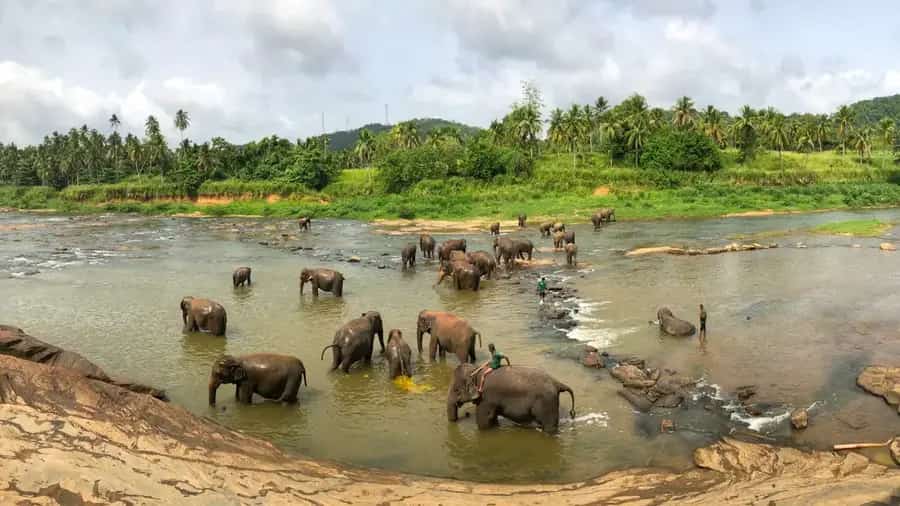
Yala is not only about leopards. Elephants, sloth bears, crocodiles, water buffalo, jackals and more than 200 bird species live here. A good safari is one where you watch whatever the park offers you, calmly and at a respectful distance.