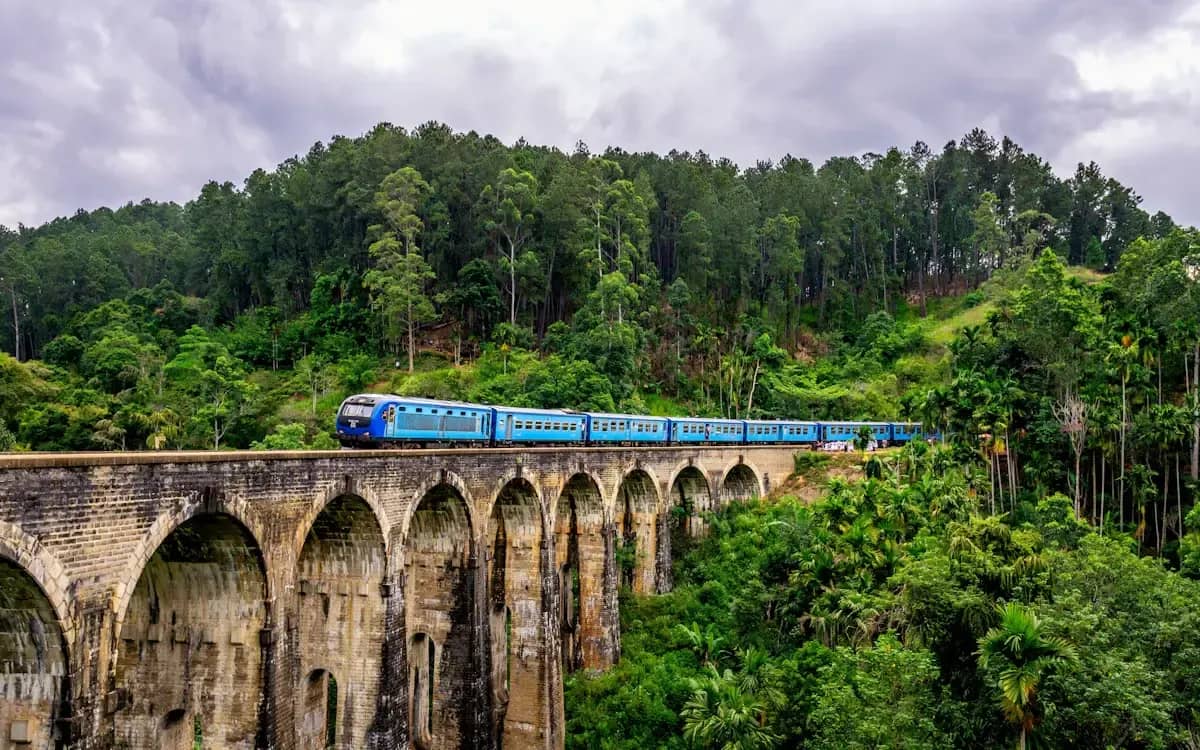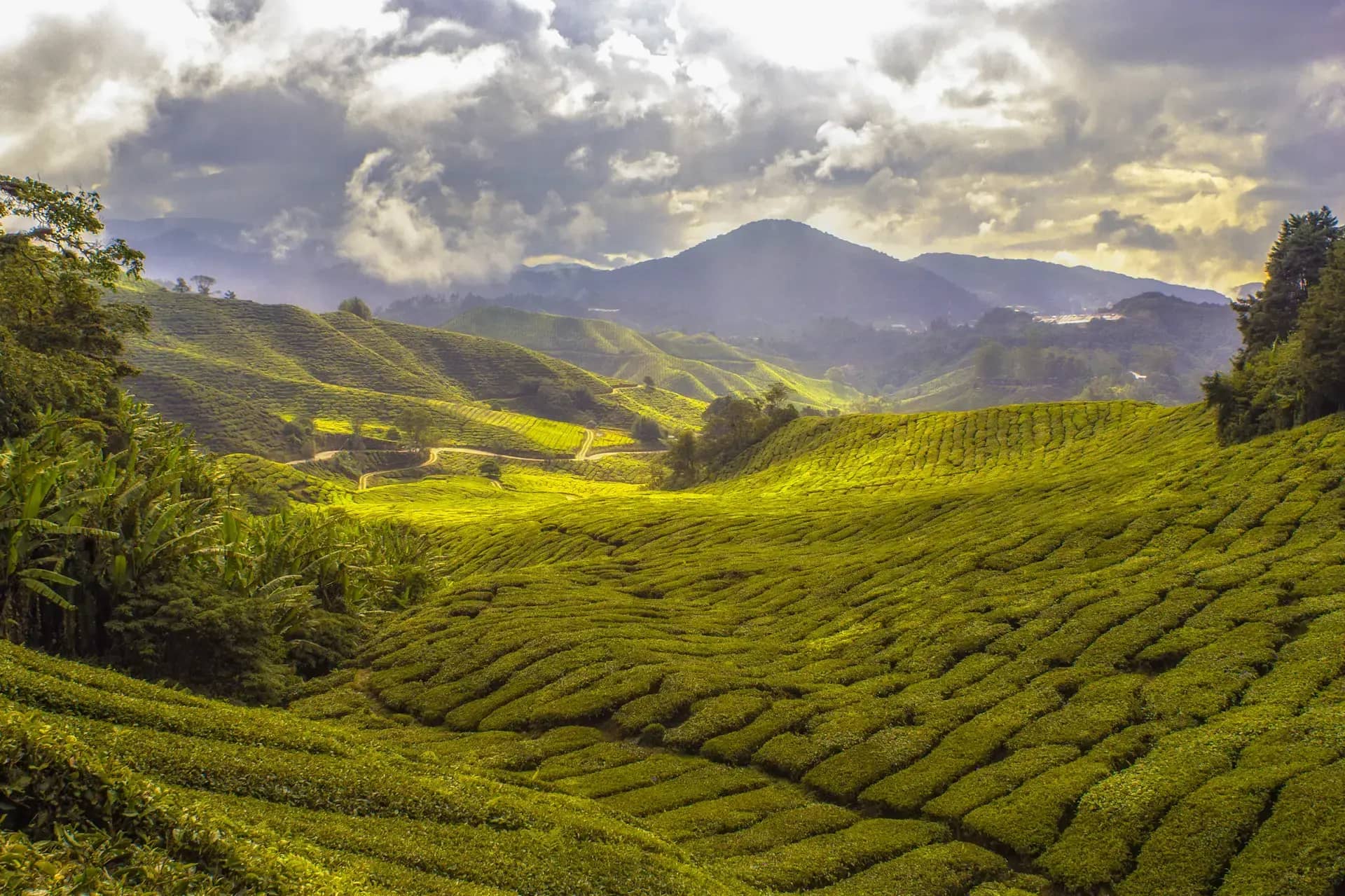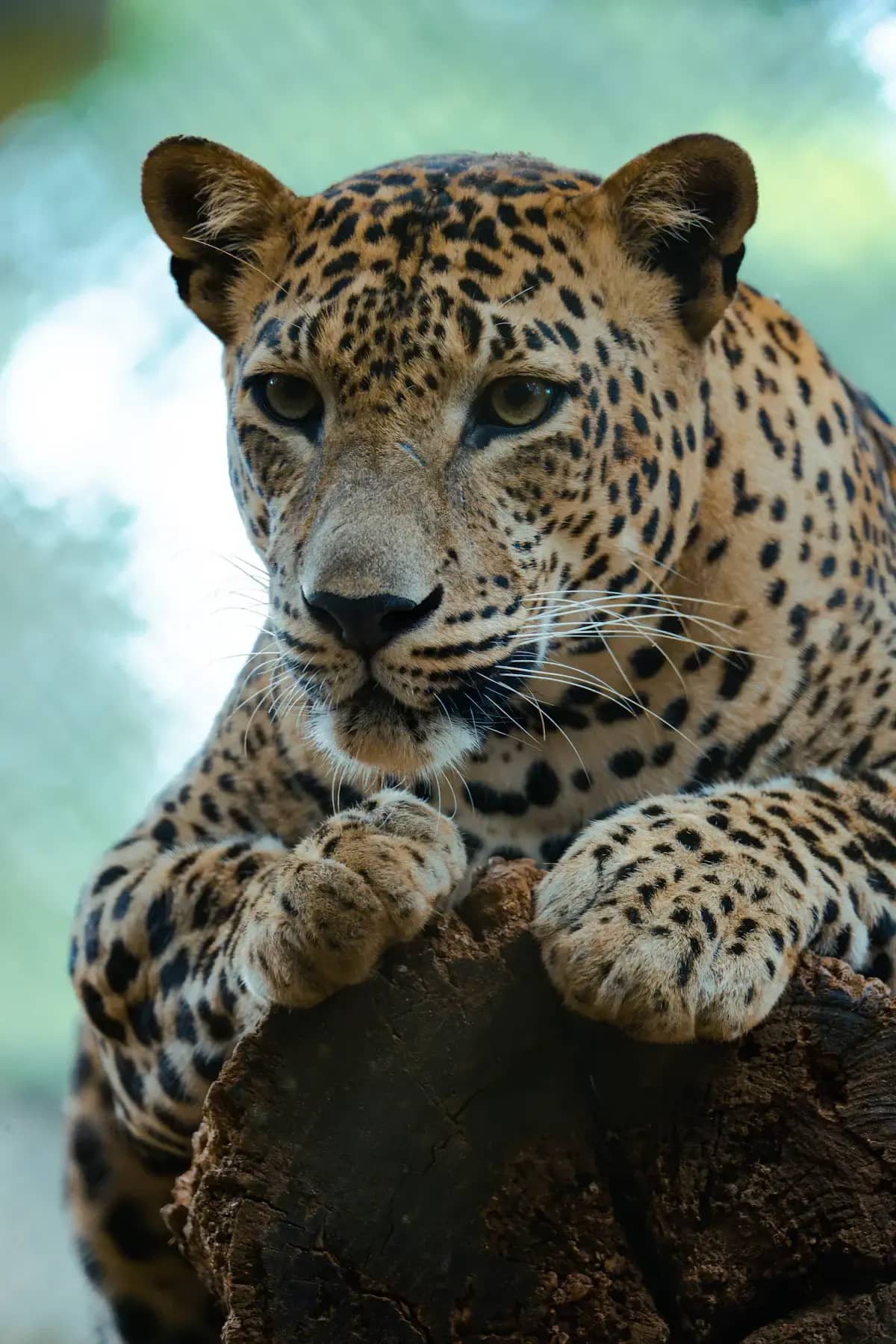


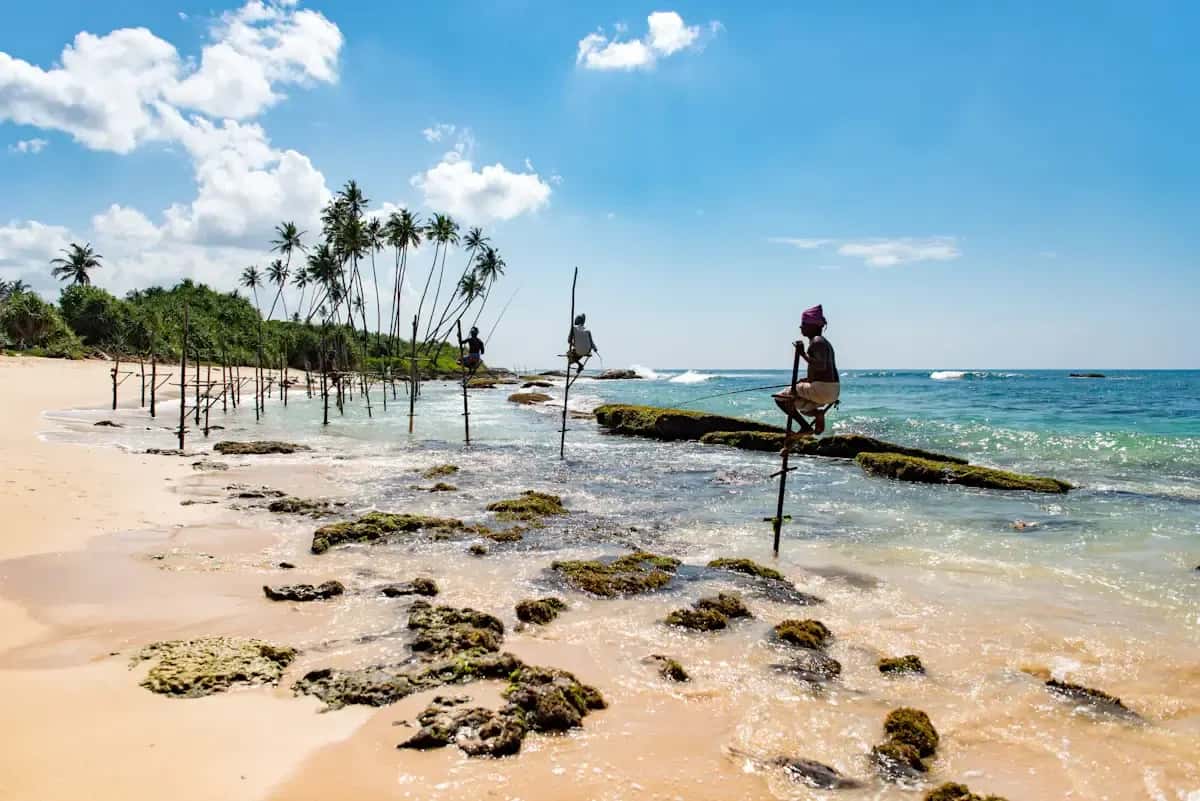
Perched on poles in the surf, the stilt fishermen of Koggala are one of the most photographed sights in Sri Lanka. Behind the postcard image lies an old craft – and a stretch of coast with much more to discover.
A picture everyone knows
Few images say Sri Lanka quite like the stilt fishermen: dark silhouettes perched on thin poles in the sea, the sun setting behind them. The picture appears on guidebooks, postcards and posters. Drive along the south coast between Galle and Weligama and you will see the poles rising from the water again and again. But what lies behind this way of fishing – and how much of it is still real?
A young tradition
Stilt fishing is said to have begun during or shortly after the Second World War, when food was scarce and the rocks along the shore were crowded. Fishermen drove poles into the reef and sat on a small crossbar, casting their lines into the shallow water for small fish such as mackerel and herring – no boat, no net.
The pole, called a ritipanna in Sinhala, has a single crossbar where the fisherman sits, sometimes for hours. He casts a simple bamboo rod into the surf and drops his catch into a bag tied at his waist. Poles belong to particular families and are often handed down from father to son; a good spot is jealously guarded. The best fishing depends on the sea: on calm days with clear water, the small fish swarm close to the reef.
Today
Today few families still fish this way for a living, and many poles are used mainly to pose for photographs – for which a tip is expected. At some well-known spots the men come straight to the beach to collect after you have taken your picture. That is not necessarily a bad thing: for many families the money now matters more than the catch. Falling fish stocks and the damage done by the 2004 tsunami have made traditional stilt fishing rarer anyway.
At dawn and dusk, however, you can still see the real thing along the coast between Galle and Weligama. Our guides know where to go and how to watch without intruding.
Where to see stilt fishermen in Sri Lanka
The finest poles stand between Koggala and Ahangama, and you will find more around Midigama and Weligama. Early morning and the hour before sunset bring the best light – and that is when the fishermen are actually fishing. During the southwest monsoon, from May to September, the sea is rough and there is little fishing; the best season for the south coast is November to April.
Photo tips
Shoot into the light at sunset to turn the fishermen into crisp silhouettes. A short telephoto lens lets you frame them without getting too close. Ask before you photograph and agree the amount first, and carry some small rupee notes – a modest tip is fair. Above all, be patient: the best moment often comes when someone actually lands a fish.
Around Koggala
The stilt fishermen are only one reason to visit this coast. Close by is Galle, with its colonial-era fort: ramparts, a lighthouse and narrow lanes full of cafés, galleries and small hotels. Behind Koggala lies a lagoon dotted with small islands where cinnamon is grown – a boat trip there is a calm contrast to the bustle of the beach.
Further east come the beaches of Unawatuna, Weligama and Mirissa, where whale-watching boats head out from December to April. If you prefer peace and quiet, continue to Tangalle, with its long, almost empty bays.
Half a day in Galle Fort
If you visit the stilt fishermen, don’t miss Galle Fort. Founded by the Portuguese in the 16th century and rebuilt by the Dutch in the 17th, it is now a UNESCO World Heritage Site. The best time is a late-afternoon walk along the ramparts, from the clock tower past the bastions to the lighthouse, while children play cricket below and couples wait for the sunset. In between lie colonial houses with verandas, small museums, churches, a mosque and plenty of cafés for a break.
Best time for the south coast
The south coast is at its best from November to April, when the sea is calm, the water clear and most beaches safe for swimming. From May to September the southwest monsoon brings waves and showers; there is little fishing and swimming is dangerous on many beaches. At the same time the east coast is lovely, so if you travel in summer we usually combine your tour with a few days at Pasikudah or Trincomalee instead.
Fish on your plate
While you are on the south coast, try the fish. In the morning the boats bring their catch to the beach, and a few hours later it is on the grill in the little restaurants along the shore. A classic of the south is ambul thiyal, a sour tuna curry made with dried goraka fruit. You can read more about the island’s food in our story about rice and curry.
A day on the south coast
Early in the morning, watch the stilt fishermen between Koggala and Ahangama while they are still really fishing. Mid-morning, take a boat across Koggala Lagoon to Cinnamon Island, where a family shows how cinnamon bark is peeled and dried. Have lunch at a small beach restaurant – a fish curry or the catch of the day straight off the grill. Spend the afternoon wandering the lanes of Galle Fort with a stop at a café, and end the day on the ramparts by the lighthouse, or back with the fishermen as their silhouettes turn black against the sunset.
This day combines easily with beach time in Unawatuna, Weligama or Tangalle. Your driver knows the road and the best spots, and your guide tells the stories behind each place along the way.
The south coast on our tours
Most of our tours end on the south coast, with a visit to Galle Fort and time by the sea. On request we stop at the stilt fishermen for sunset. If you would like to add a few beach days, we will suggest a hotel right on the sand, and on a private tour we plan the coast exactly at your pace.